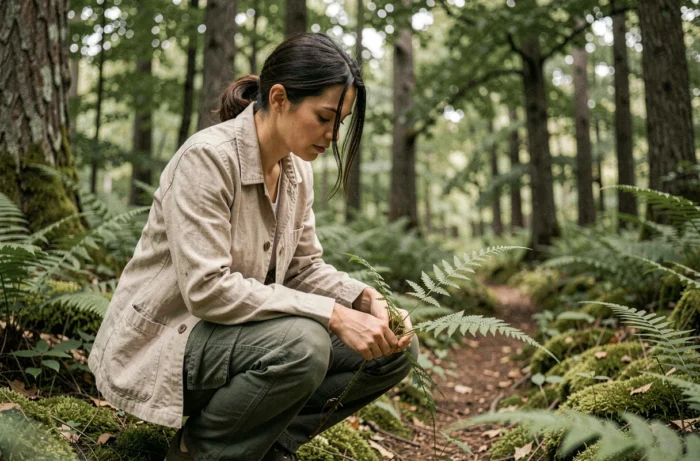
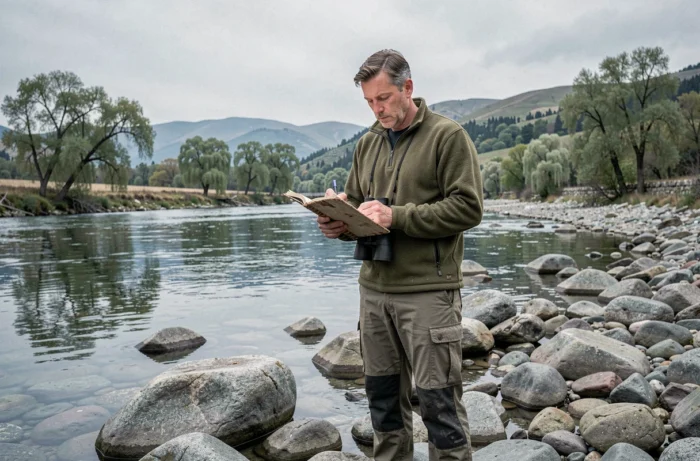
Going out with a notebook and a pair of binoculars requires neither training nor expensive equipment, but a minimum of method radically changes what you notice. You can walk the same path for months without noticing the galls on oak leaves or the song of the willow warbler above the hedge. Exploring nature daily is first about learning to slow down and focus your attention on specific clues.
Citizen Science: Observing Nature with a Useful Protocol
Counting snails under a damp board in your garden, noting the butterflies visiting a flowerbed, recording the birds present at a fixed point for ten minutes: these simple actions feed into national databases. The Snail Operation, conducted on the campus of the University of Montpellier in 2024-2025, relies on weekly surveys under shelters placed on the ground.
The Vigie-Nature program goes further. A feedback report describes how integration teams, after learning to identify different species by following protocols, adapted their green space maintenance practices to take into account the living organisms observed. This shifts from mere data collection to concrete management changes.
To find a protocol suitable for your environment, whether you have a balcony, a garden, or access to a park, you can consult the Faites De La Nature website, which lists numerous local and national initiatives related to naturalist observation.
These citizen data integrate into a broader system. The Biodiversity Information System federates information related to 31 public policies and aims to make it accessible, particularly to describe the state of biodiversity, the pressures it faces, and conservation actions. Each observation submitted contributes to a common knowledge base used by researchers and natural resource managers.
Biodiversity in the Garden and on the Balcony: Concrete Actions that Change the Environment
You don’t need a large plot of land to make a difference. A barometer from the OFB conducted by Harris Interactive (third wave, surveying 2,000 people aged 15 and over, from March 27 to April 2, 2024) shows that actions in favor of biodiversity are also practiced in small private spaces.
Specifically, here’s what produces a measurable effect on local wildlife:
- Leaving an unmowed area of the garden, even reduced to a few square meters, to provide a refuge for pollinating insects and small invertebrates that serve as food for birds.
- Installing a shallow water point (dish, saucer) that is regularly refreshed: songbirds, hedgehogs, and solitary bees depend on it, especially during dry periods.
- Planting local species rather than sterile horticultural varieties. A hedge of elder, dogwood, or blackthorn supports more species than a trimmed thuja.
- Creating a pile of dead wood in a shaded corner: this is a habitat for saproxylic beetles, decomposer fungi, and amphibians in transit.
These actions require neither budget nor technical skill. What matters is consistency. A garden where interventions are minimal but thoughtful hosts more species than a space maintained intensively.
Understanding the Environment as a Family: Field Trips and Identification Tools
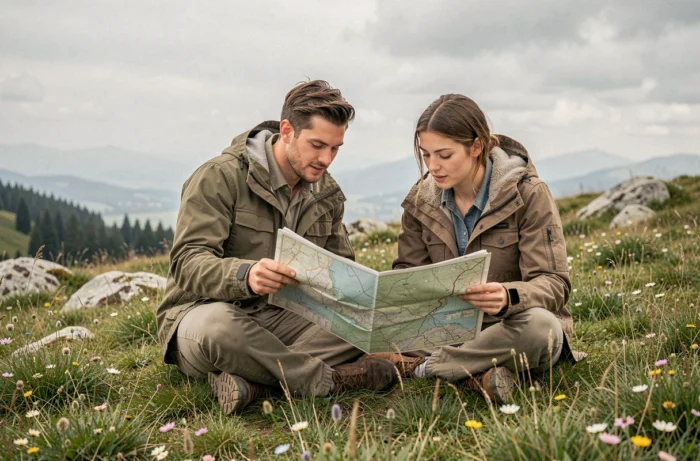
Taking children outside with a specific goal transforms a walk into an educational activity. We’re not talking about a lecture in the open air, but a simple framework: searching for three species of lichens on tree trunks, comparing footprints left in the mud after rain, or photographing insects encountered to identify them later.
A field notebook remains the most effective tool for capturing attention. Drawing a leaf forces you to observe its shape, veins, and the arrangement of its teeth. Photo recognition apps (like Pl@ntNet) complement well, but they do not replace direct observation, which anchors details in memory.
Choosing a Nearby Environment and Returning Often
A common mistake is wanting to vary locations. You learn more by returning to the same spot in different seasons. A ditch at the forest edge, a roadside bank, a dry stone wall: each micro-habitat reveals different species depending on the month. In March, you spot the first amphibian spawn in a pond. In June, wild orchids appear on limestone lawns.
For families, returning to the same spot creates a thread of continuity. Children eventually recognize the permanent residents (the territorial blackbird, the wall lizard on the same stone) and note seasonal changes without needing guidance.
Open Data on the Environment in France: Where to Search, What to Read
Understanding your local environment is not limited to the field. Online resources allow you to contextualize what you observe. The Biodiversity Information System portal provides access to datasets related to species inventories, protection zoning, and indicators of pressure on environments.
Cross-referencing a field observation with a cartographic data provides a finer reading. For example, you might find that a bird observed in your garden is on the list of declining species in your region, or that the nearby woodland is part of a green network identified by the regional plan.
Access to this data remains free and does not require GIS skills. Most portals offer interactive maps where you can zoom in on your municipality and consult reported species, recorded habitats, and existing protection perimeters.
Exploring nature daily thus combines two complementary dimensions: time spent outside, eyes open, and the ability to connect your observations to broader data. Consistency is more important than the distance traveled. Walking the same path every week for a year teaches you more about the environment than an exceptional hike in the mountains.