For a few years now, the renovation market in France has been undergoing a discreet transformation. Decoration magazines, long confined to visual inspiration, are forming partnerships with digital platforms specializing in construction work. The stated goal: to guide the reader from the mood board to the first swing of the sledgehammer. This convergence between editorial content and connections with craftsmen is reshaping the way an interior renovation project takes shape, from color choices to financial arrangements.
Image-driven renovation: what an integrated editorial journey changes
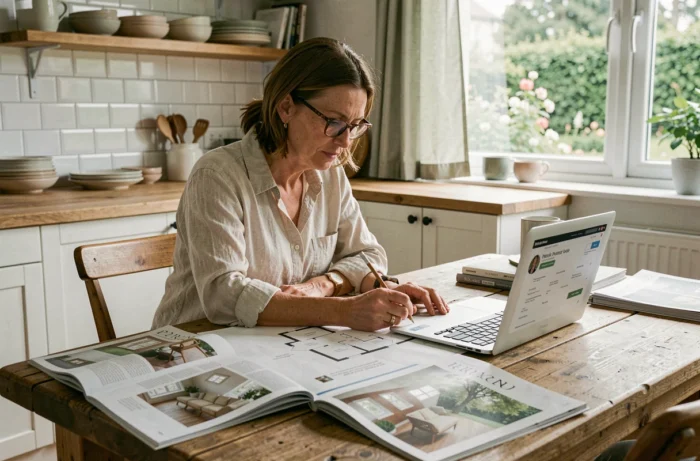
Consulting a decor magazine before renovating is nothing new. What is more recent is that some titles now offer a continuous path between the article read online and the request for a quote. The reader moves from a report on open kitchens to a connection request form, without leaving the media ecosystem.
This model changes the starting point of the project. Instead of beginning with a technical need (insulation, plumbing, electricity), the homeowner starts with an aesthetic desire, then discovers the constraints along the way. The question is whether this reverse journey helps or complicates decision-making.
Several players are testing this logic. By studying the partnership between gospi.fr, maison et travaux, we observe a typical pattern: a decor media provides inspirational content, a platform aggregates building professionals, and the reader moves from one to the other via integrated pathways. The immediate benefit is fluidity. The less visible risk lies in what happens between inspiration and the construction site.
Renovation aids and regulatory constraints: the often-missing link in the decor journey
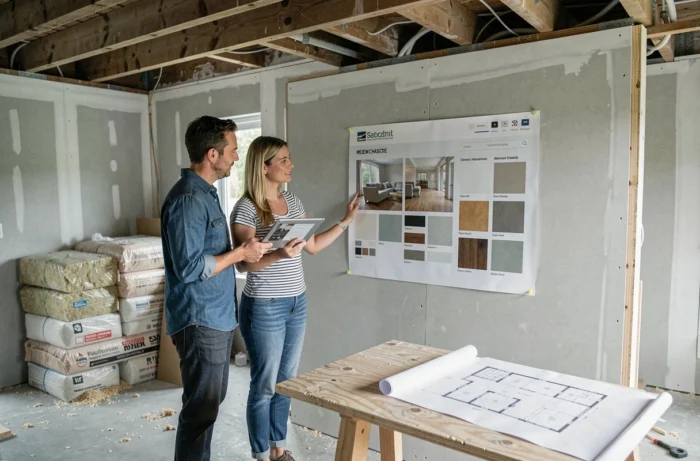
A report on material trends or color palettes for 2026 almost never mentions the conditions for accessing public aids. This is a blind spot that can be costly.
Since September 2026, an appointment with a France Rénov’ advisor is mandatory before submitting a request for aid for large-scale renovation projects. In other words, designing an interior transformation project solely based on a magazine, then hoping to secure MaPrimeRénov’ without adjustments, exposes one to disappointments.
The recent refocusing of MaPrimeRénov’ has excluded several works from the “by gesture” pathway. Energy savings certificates partially take over, but with different conditions. A renovation platform that merely displays a single aid amount, without detailing the actual financial arrangement, oversimplifies excessively.
- The accompanied journey requires a global diagnosis before finalizing equipment choices, which can alter the project after its initial aesthetic design.
- Some equipment using fossil fuels is now excluded from the accompanied journey, a constraint rarely mentioned in decor pages.
- The budget for MaPrimeRénov’ has seen a significant reduction, which limits the maneuverability for homeowners relying on this aid to finance high-end materials spotted in a magazine.
For an integrated editorial journey to have real added value, it should signal these constraints from the inspiration phase, not after the quote is signed.
Interior decoration and material choices: when inspiration must withstand the construction site
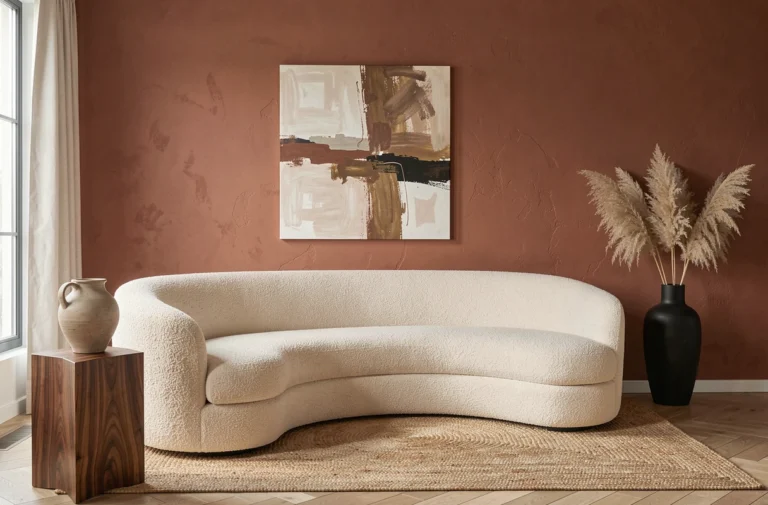
The decor trends for 2026 highlight warm palettes, bio-sourced materials, and strong pieces that break the standardization of interiors. Terrazzo is making a comeback in bathrooms, raw wood is being invited into kitchens, and lime plasters are replacing traditional paint in living spaces.
The problem arises when the material chosen for its aesthetics does not match the constraints of the building. A lime plaster applied to a poorly prepared wall will blister within months. Solid wood flooring installed in a damp room will warp. These technical decisions fall to the craftsman, not the magazine’s art director.
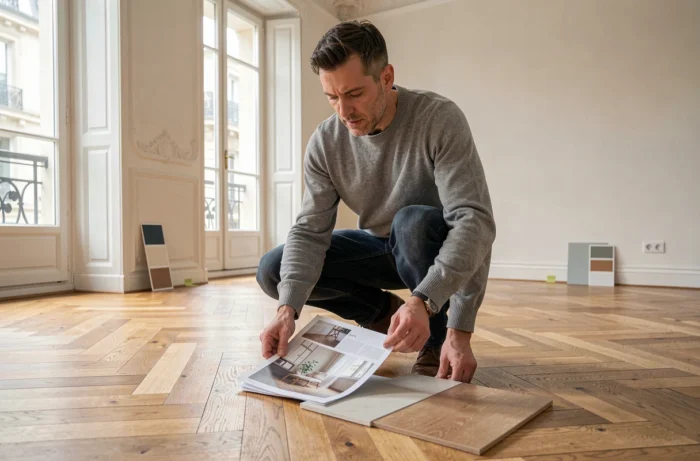
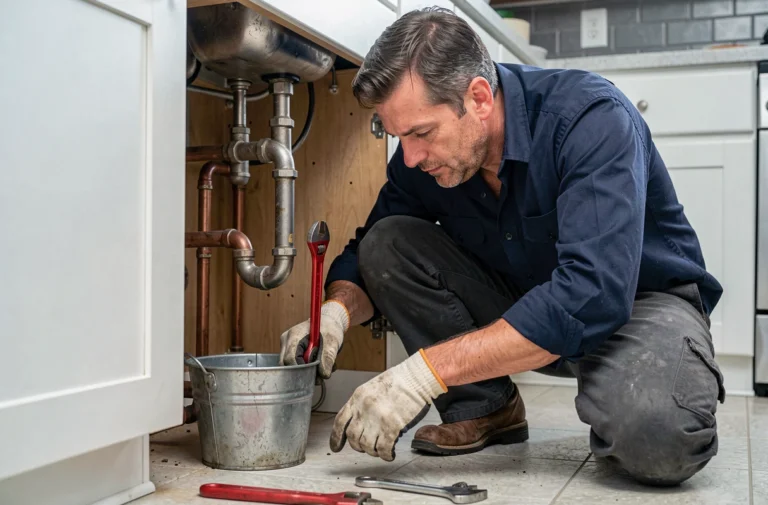
This is precisely where a renovation platform brings (or should bring) its value. By connecting the inspired reader to a qualified professional, it bridges the gap between the image and the reality of the construction site. The quality of this connection depends on criteria rarely displayed: verification of ten-year insurance, post-work follow-up, dispute management.
The model works when the platform acts as a filter. It becomes problematic when it merely passes on contacts without oversight, turning the editorial alliance into a simple lead generator.
Personalized layout and sustainable renovation: the limits of a media-platform duo
The idea of combining decor inspiration and execution of work into a single journey meets a real demand. Homeowners want a living space that reflects them, with sustainable materials, a layout suited to their daily lives, and a style that doesn’t resemble their neighbor’s.
The limit lies in the scope of responsibility. A magazine is not a project manager. A connection platform is not an insurer. Neither bears the responsibility for the final result of the construction site.
Since October 1, 2026, an integrated offer aims to bring together equipment, financing, and follow-up after installation for certain energy renovation works. This type of arrangement shows the direction: support that does not stop at the quote but covers the entire cycle, from design to project completion.
Alliances between decor media and renovation platforms remain, for now, upstream of this logic. They facilitate connections and fuel the desire to transform one’s interior. But between a beautiful article on color trends and the completion of a compliant construction site, there is a space that neither the editorial content nor the matching algorithm fills alone.
The homeowner who understands this approaches their project with open eyes, which remains the best guarantee of a successful renovation.