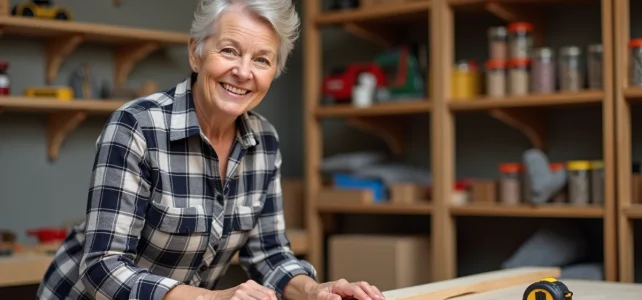
Most errors in a DIY project do not stem from missing tools or a tight budget. It is often the lack of organization that undermines ambitions. Planning each step, anticipating needs, that is the key that distinguishes the hurried amateur from the savvy creator. Nothing too technical: with a bit of method, recycling a forgotten board or repurposing a wine crate becomes an opportunity for an original creation, often more robust than a brand new piece of furniture. Seeking advice from artisans gives access to practical tips that change everyday life, regardless of experience.
Why DIY is increasingly appealing at home
Everywhere, DIY is spreading. It is no longer just about fixing things. It’s about standing out, giving meaning and personality to one’s objects and decor. We see materials destined for the trash being revived: repurposed with imagination, they become strong pieces in the home. Reviving a worn piece of furniture, inventing a new decorative object, also imprints a story in one’s space, far from disposable consumption.
Recommended read : Keys to a Healthy Home: Practical Tips and Effective Solutions
There is no need to set up a professional workshop. Beginners take on astonishing challenges with little equipment: the pleasure of trying and progressing matters just as much as the result. Younger people draw from hands-on activities much more than just a way to occupy their afternoons: they develop practical skills and autonomy. For adults, creating with their hands awakens a tangible satisfaction, a renewed relationship with their interior.
Priorities emerge: respect for the environment, sobriety, the hunt for waste. Repairing, reusing, transforming become reflexes, and inspiration platforms like quartierbricole.be gather ideas, advice, and tutorials accessible to all. This collective energy fuels creativity, encourages trying new projects, and weaves connections among enthusiasts. We no longer DIY alone, but in a spirit of sharing where everyone enriches themselves from the experiences of others.
Further reading : Tips and Inspirations to Enhance Your Home Daily
What creative projects to undertake based on your level and space
Choosing your DIY project requires assessing your skill level and available space. There’s something for everyone: whether in a cramped apartment or a spacious garden, everyone can find their fit.
To start, it’s better to target accessible ideas: enhancing decor with a homemade photo frame, creating a customized storage box, designing a graphic pencil holder. Wood, cardboard, a few tools: we learn by doing, we become familiar with the material. Children love creating colorful plant markers or imagining a mini dinosaur planter, especially on rainy weekends.
Gradually, we increase the difficulty. Why not build a modular bookshelf like a puzzle, or install a handmade birdhouse? At this stage, upcycling becomes a game: a pallet transformed into a bench, recovered bottles turned into decorative lamps, scraps of fabric metamorphosed into cushions. The key to a successful renovation, like repainting a piece of furniture or modernizing a dresser, often lies in careful preparation.
For the more experienced, it’s time for standout projects: a designer lamp, a personalized light panel, or even a garden shed built from scratch. Each success shapes a unique interior, and we end up crafting just as much in the kitchen as on the terrace, or even in the laundry room. DIY knows no boundaries; it invites itself wherever one wants to inject character.
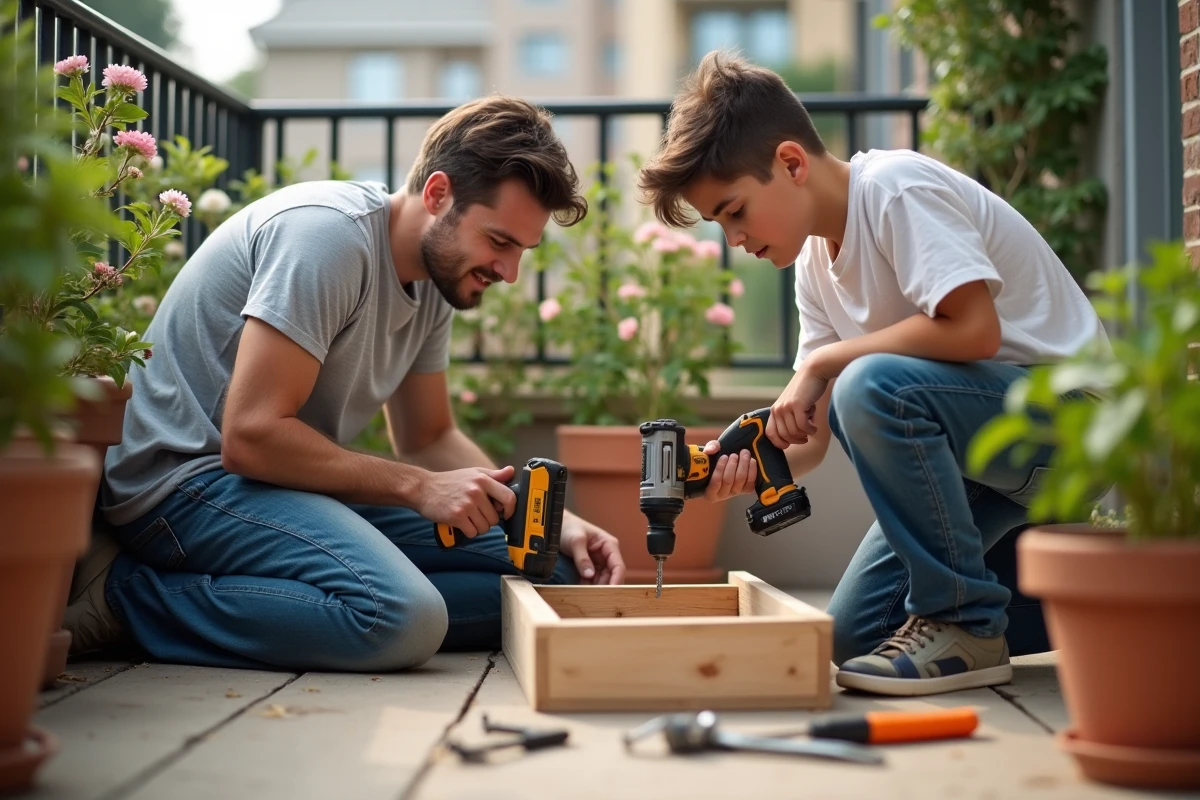
Practical tips and tricks to succeed in your DIY creations without stress
Having a tidy and bright workspace is not a luxury: it’s the best way to avoid mishaps and fully enjoy the process. Before you start, gather screwdrivers, drills, saws, glue, brushes… Plus anything that will make your life easier, from a toolbox to a compact laser cutter to test out unusual finishes.
Here are some fundamentals to organize your project and navigate unforeseen circumstances:
- Make a list of all the necessary materials based on your idea (wood, paper, cardboard, metal, whatever you have on hand or can salvage)
- Carefully read the tutorials or advice published on open platforms like Thingiverse, Instructables, Etsy, or Pinterest, to visualize each step
- Think through the sequence of assembly or customization to avoid last-minute blockages
Being well-equipped also means thinking about safety: gloves, goggles, sometimes a mask depending on the materials, and always ventilate when using glue, paint, or solvents at home.
Don’t rush the work: break down the steps, take the time to correct, and willingly seek the opinions of DIYers around you. Exchanges are often rich: effective advice, mistakes to avoid, new tips… Home DIY is not just about gaining another shelf or a piece of furniture that reflects you; it’s also about rediscovering the joy of trying, the pride of sharing. And who knows, tomorrow it might be your creation that inspires the neighbors or sparks a new desire in someone close.