The year 2024 has reshuffled the cards of French sports. Between the Paris Olympic Games, the explosion of trail running in nature, and the emergence of new ways to train in just a few minutes a day, practices have evolved faster than expected. Here are the trends that truly marked this year, beyond the simple competition calendar.
Trail running in France: the shift towards nature
Have you noticed that more and more runners are leaving the pavement for the trails? It’s not just an impression. In 2024, trail running has become the leading running activity in France. According to data from TwoSixOne, 50% of runners report that trail running is the type of race they are most willing to participate in, and 19% say they practice trail running rather than road running.
This shift didn’t come out of nowhere. It reflects a search for disconnection, a need to run to explore rather than to beat a clock. Short formats, under 21 kilometers, overwhelmingly dominate registrations. Trail running also attracts profiles that did not identify with traditional road running: sporty walkers, hikers who quicken their pace, former team sport players seeking freedom.
To keep up with these developments and other sports news on a daily basis, lemondedusport.fr covers all disciplines with an accessible editorial line.

Micro-training: five minutes of sport per day, validated results
The other underlying trend in 2024 may not seem spectacular at first glance. It can be summed up in one number: five minutes. The concept of micro-training (sometimes called exercise snacking) is based on a simple idea. Instead of blocking an hour in your schedule, you perform a short, bodyweight routine every day.
A typical routine consists of four exercises, ten repetitions each, executed at a slow tempo. According to Dr. Richard Blagrove, a researcher at Loughborough University, very small regular doses of exercise already improve functional strength, mobility, and mental well-being in sedentary adults. The study reported by Top Santé in 2024 confirmed these benefits.
Why did this approach gain traction in 2024? Because it removes the two main barriers to sports practice: time and equipment. No need for a gym, no need for specific attire. A living room, a hallway, or a lunch break is sufficient. Micro-training does not replace structured physical preparation, but it offers a realistic entry point for people who do not move at all.
What micro-training concretely changes
- Regularity takes precedence over intensity: better to do five minutes every day than a one-hour session on Sunday, often postponed
- The slow tempo strengthens joints and mobility, two weak points in sedentary adults
- Mental well-being improves within the first few weeks, even with very low volumes of physical activity
Paris 2024 Olympic Games: what will remain beyond the competition
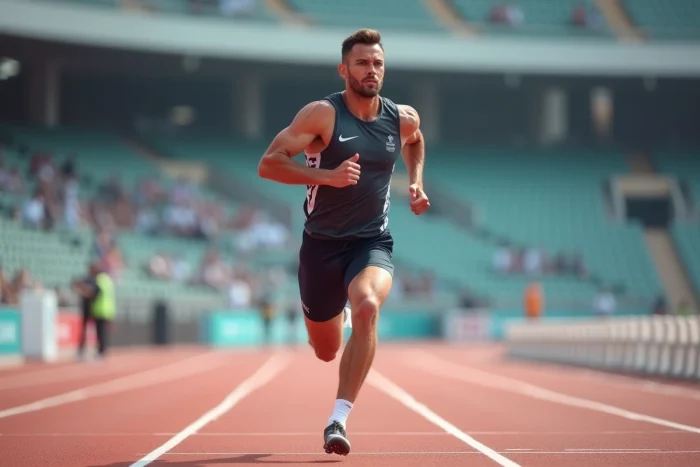
The Paris Games monopolized media attention over the summer. This is understandable: France had not hosted a summer Olympic Games in a century. From July 26 to August 11, 32 sports were contested at venues spread across Paris and several host cities. Four disciplines made their debut or return: surfing, skateboarding, sport climbing, and breaking.
The sporting legacy of these Games goes beyond the medal table. Access to sport for all has become a concrete political issue, championed by local authorities that have invested in lasting infrastructure. Bicycle paths, public swimming pools, multi-sport fields in priority neighborhoods: these facilities will remain after the flame is extinguished.

The Paris 2024 effect on amateur practice
After each Olympic edition, there is a spike in registrations in clubs. In 2024, this phenomenon affected disciplines that were previously niche in France. Climbing, breaking, and skateboarding saw an influx of new licensees. The relevant federations had anticipated the demand by training educators and opening additional slots.
The challenge remains retention. Post-Olympic enthusiasm often wanes after a few months. Clubs that offer short, accessible formats without rigid commitments fare better than those that impose a competitive path from the moment of registration.
Sport and fashion in 2024: when athletes become cultural figures
The connection between sport and fashion is not new, but it took on a different scale in 2024. Major brands have multiplied collaborations with athletes, not just as simple ambassadors, but as creative participants. Famous athletes have become full-fledged fashion personalities, photographed on the covers of magazines that have nothing to do with sports.
This phenomenon is changing the sportswear market. Brands no longer sell just technical performance. They sell a lifestyle, a hybrid dress code that transitions seamlessly from the field to the street. Consumers buy a pair of trail shoes to run, but also to wear in everyday life.
- Collaborations between athletes and luxury brands have multiplied, blurring the line between sports equipment and ready-to-wear
- The global sportswear market continues to grow, driven by this fashion-sport hybridization
- Dual-use sports products (for both field and city) represent the most dynamic segment
The year 2024 will have shown that sport is no longer just about competition or pure performance. Trail running attracts those seeking nature, micro-training appeals to those short on time, the Paris Games opened doors to lesser-known disciplines, and fashion has definitively integrated athletes into its universe. These four movements outline a broader, more accessible, and less compartmentalized sports landscape than before.