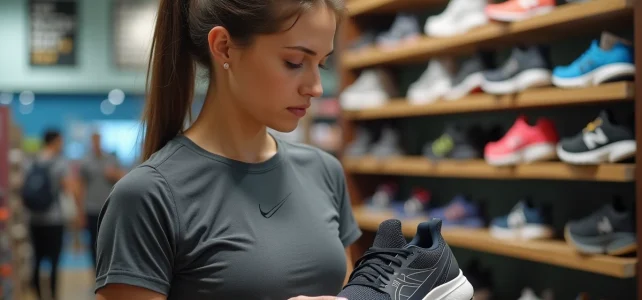
Ill-fitting equipment increases the risk of injury by 30%, according to a study by Inserm. Some materials promise lightness and strength but degrade faster under real stress. High-end brands do not always guarantee better performance, especially without considering the user’s build or training level. Compatibility between the equipment and the user’s profile remains crucial, far beyond trends or labels.
Why the choice of sports equipment influences your performance
The choice of equipment is not just a matter of aesthetics. Suitable gear not only transforms the training experience but also affects the efficiency of movements and injury prevention. For elite athletes, every detail matters: Cristiano Ronaldo swears by lightness, Lionel Messi seeks a subtle connection with the ball, Nadal adjusts the size of his racket for power, and Federer fine-tunes the precision of each shot. They do not blindly follow trends because truly high-performing equipment meets each individual’s specific needs. And this requirement does not stop with champions.
Read also : How to Choose the Best MAIF Student Loan to Finance Your Studies in 2024
Technological innovations have continually redefined sports practice. Smart textiles, miniature sensors, new materials… These advancements now benefit everyone, from amateurs to enthusiasts. A connected sole measures pressure, an intelligent fiber manages sweat and thermal comfort. Equipping oneself better also means preserving health and avoiding obstacles on the path to progress.
In recent years, the concept of ecological impact has gained traction. Today, brands and distributors are investing in sustainable alternatives, local production chains, or the integration of recycled materials. In this niche, format-sport.com stands out as an option that combines performance, sustainability, and ethical requirements, without sacrificing choice or the safety of the user.
Further reading : Discover how to enhance your interior with unique handmade decorations
Ultimately, investing in the right equipment prepares the ground for better sensations, stronger progression, and a sports experience aligned with one’s own beliefs.
What criteria to consider when selecting equipment suitable for your practice
Sports equipment should be chosen based on oneself, not the neighbor. First, it’s better to identify where you stand: occasional, regular, or expert. Each level has its priorities, and each discipline has its imperatives. For running, knowing your foot morphology, how you land, your frequency, and the surfaces you run on changes the game. In weightlifting, prioritizing robustness and support far outweighs the appeal of the latest color.
Nothing is worse than shoes that are too loose or clothing that hinders movement. Trying on, moving around, and comparing are what help find the right fit. Technical textiles today offer comfort that goes well beyond the simple second-skin effect: they manage sweat, limit irritation, and temperature variations. As for protective accessories like knee pads or belts, they support progression while enhancing safety.
Another reality is the budget. Gradually equipping oneself, in line with progress, avoids impulsive purchases and drawers overflowing with unused items. Seeking advice from knowledgeable advisors, testing items personally, and considering responsible new products allows one to align means with actual needs.
Before making a choice, it’s worth reviewing some key points:
- The specific requirements of the practiced discipline
- The level and personal ambitions
- The criteria of comfort, fit, and durability of each piece of equipment
- The budget, keeping the option for gradual renewal
- The possibility to test and benefit from informed opinions
Common mistakes, maintenance tips, and advice for going further
The excitement of newness can sometimes overshadow the essentials: choosing for appearance or trend exposes one to a series of discomforts or even injuries. UFC-Que Choisir regularly warns about the surge in joint problems linked to poorly fitted shoes or accessories, regardless of level or frequency.
Maintenance remains the great forgotten aspect, even though it conditions the longevity of the equipment. A moderate wash, inside out, at a gentle temperature: this way, fabrics retain their technical qualities longer. Shoes require deep cleaning, even in the sole, to maintain stability and cushioning. A small detail that matters: regularly inspecting gloves, belts, or protective gear avoids unpleasant surprises during exertion.
To boost recovery and limit physical breakdowns, certain tools naturally find their place in the routine:
- A massage roller to relieve sore muscles after a session
- Compression bands that promote blood circulation
- An electrostimulator for more targeted relaxation
Over the course of training, adapting and renewing equipment allows one to keep up with the changes in their body and desires. Relying on the external perspective of a pro, choosing flexibility, and maintaining enjoyment: this is what gives each session the taste of progress that never stops.
Well-chosen equipment, maintained diligently, keeps pace with you. It’s the key to preserving that desire to always go further, season after season.