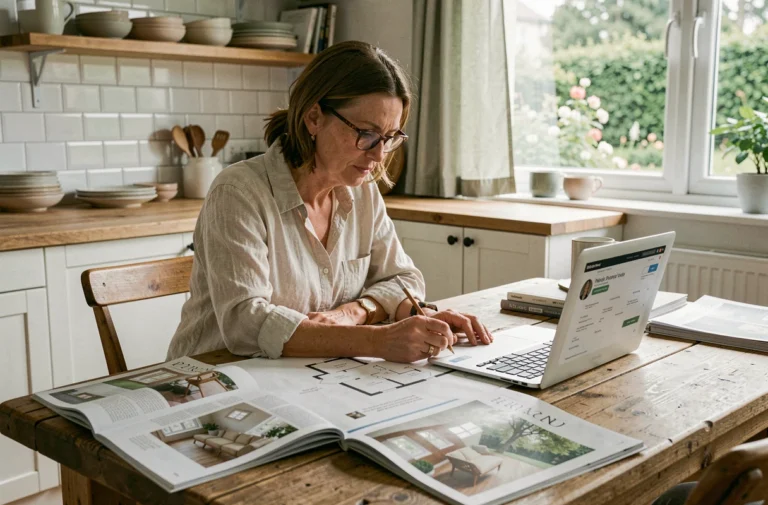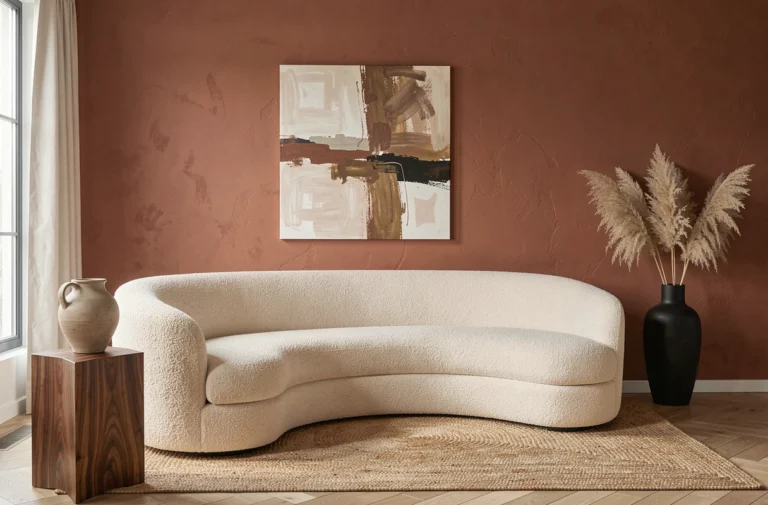
Green does not tolerate all unions: some combinations please the eye, while others create an immediate imbalance. According to a study conducted by the Pantone Color Institute, more than 60% of interior designers avoid combining green with certain shades of red or orange, which are considered too aggressive.
However, the palette of possibilities extends far beyond classic conventions. The balance of colors relies as much on the chosen shade as on the proportion and brightness of each hue. Expert recommendations vary depending on the desired style, the volume of the room, and the available natural light.
Green in decoration: a color full of possibilities
In the world of decoration, green stands out for its versatility and the power of its evocation. Whether it evokes nature, symbolizes balance, or energizes the space, green naturally finds its place in all rooms: cozy living room, calming bedroom, friendly kitchen, or inspiring office corner. The variations are numerous, sage, olive, emerald, forest, mint, khaki, gray-green, and each imparts a different atmosphere, from the most zen to the most graphic, including chic or natural.
It is no coincidence that green soothes while infusing a muted energy. Green tones fit well into a clean Scandinavian style as well as a bohemian, modern, romantic, or industrial universe. A green wall, a sofa, a rug, or a few accessories: all configurations are possible to transform the ambiance. But the big question remains: which colors to pair with green to maintain visual balance? The choice always depends on the shade and context, but certain combinations stand out.
Here are some guidelines to guide your associations:
- Sage green pairs well with white, light wood, or a subtle powder pink.
- Olive green goes well with pale yellow, natural wood, or a deeper forest green.
- Emerald green stands out alongside black, anthracite gray, or golden touches.
- Mint green gains freshness with white, light gray, or a subtle water green.
The association of colors does not stop there: texture, natural materials like linen or rattan, and light all matter. A successful ambiance is also built in the details. To delve deeper into this topic or avoid classic pitfalls, check out the dedicated page “Colors that do not go with green: how to pair them well – Zlati Constructions.”
Which colors enhance green in each room?
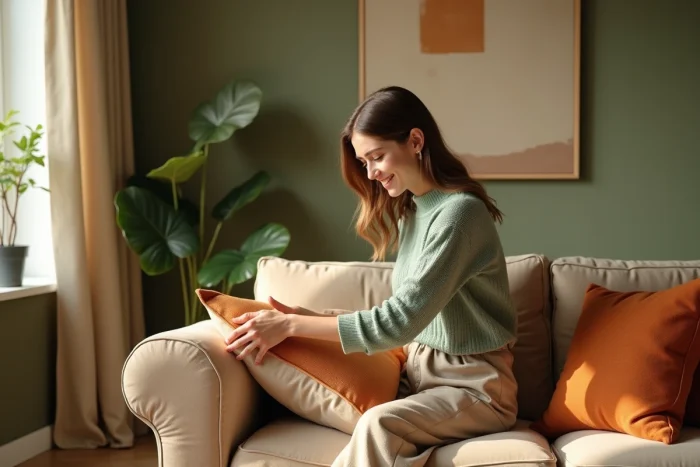
In the living room, green asserts itself as a structuring and enveloping color. Opt for sage or olive green walls, contrasted by white or light wood, and you create a space conducive to relaxation. A few pale yellow cushions or touches of powder pink add nuance without muddling the harmony. An emerald green sofa? It flourishes near black furniture or golden details. Natural materials, linen, cotton, rattan, enhance the depth of green and warm the overall feel.
In the kitchen, the freshness of mint green combines perfectly with white facades or hints of light gray. A water green tile, paired with natural wood accessories, energizes the room without weighing it down. For those who love boldness, a few orange or terracotta objects awaken the space while maintaining a certain lightness.
In the bedroom, forest green reveals itself when paired with beige, brown, or cream. Deep green bedding, ecru curtains, and a few plant elements create a peaceful haven. For a child’s room, apple green and soft yellow or pastel blue create a playful yet stimulating environment.
The bathroom readily embraces celadon green or gray-green, to be paired with white tiles, light wood, and a few golden notes. The whole gains brightness and freshness. Carefully crafted, green transforms every room in the house into a space of character.
Expert tips for successful associations and creating a harmonious ambiance
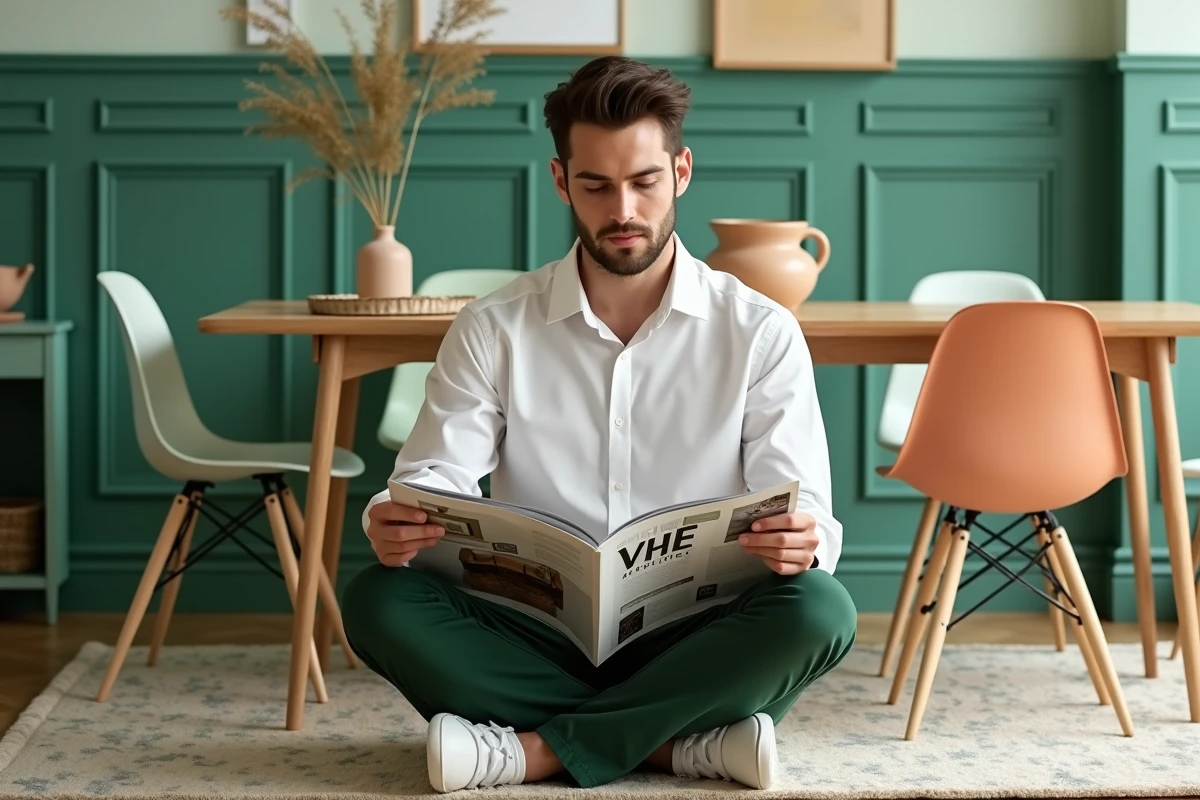
The 60-30-10 rule, often mentioned by decorators, remains a reliable guideline: 60% of a dominant color, 30% of a secondary shade, and 10% of contrasting touches. This structure helps to rhythm the room while avoiding monotony. With green, favor a neutral background (white, beige, gray), add green elements, furniture, cushions, curtains, then punctuate it all with pale yellow, terracotta, or gold to add depth.
Lighting directly influences the perception of green. Natural light reveals the depth of forest green or the freshness of mint green. Warm lighting tempers an intense green, while cool light accentuates modernity. Before finalizing a paint or fabric, observe them at different times of the day to avoid unpleasant surprises.
Playing with textures and natural materials energizes the palette: linen, cotton, rattan, light wood, or stone create subtle contrasts with green shades. Multiply the gradients, from sage green to emerald, or sprinkle the room with varied touches for an ambiance that is both lively and coherent.
Dare to hang a wall art piece or a photograph that combines several greens and complementary colors; the result gains in personality. Accumulating a single shade rarely pays off. It is better to distribute green accents across different surfaces, walls, furniture, accessories, for a balanced and contemporary decoration, where each shade finds its rightful place.
When green harmonizes effortlessly, the harmony does not just please the eye: it asserts itself as an obvious choice, discreet yet unalterable.