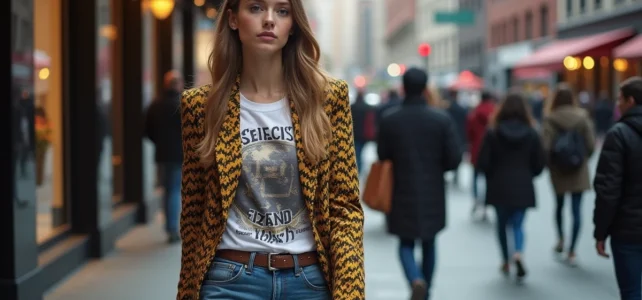
It took until 2013 for France to officially lift the ban on women wearing pants. This is proof that clothing is never just fabric: it weighs on customs, draws lines of force in practices, and sometimes disrupts legacies that were thought to be unmovable.
With every clothing purchase, behind the choice of a cut or color, powerful springs are hidden: the need to be recognized by peers, the desire to stand out, the fear of disappointing or fading into the crowd. Trends do not merely parade: they infiltrate, transform, and then fade away, leaving behind new markers, sometimes ephemeral, often structuring for the era.
See also : Understanding the Impact of Zilok's Closure on the Rental Market
Fashion, a mirror and engine of cultural evolution
Fashion is never a simple reflection: it drives, it guides, it questions. A true revealer, it absorbs the shocks of History, draws inspiration from technological breakthroughs, and constantly dialogues with art. When haute couture develops in the 19th century, it is the industrial revolution that propels it, just as the rise of a bourgeoisie eager for social distinction does. Then, the 20th century bursts forth, laden with emancipations, transformations, and conflicts. Jeans, suits, and streetwear become standards, carried by visionary creators like Yves Saint Laurent, and propelled by pop culture.
Transmitting, revisiting, shaking up codes: culture thrives on this permanent movement, and fashion is one of its most visible vectors. Each artistic current, from punk to hip-hop, imposes its own clothing rituals, marking the territory of a group, an era, a rebellion, or a sense of belonging. It is impossible to ignore this structuring role in redefining social norms and collective markers.
Related reading : How the origins and parents of Marie-Aline Meliyi influenced her television career
Technological innovation accelerates the pace. Digital printing, smart materials, computer-aided design: the creation of clothing emancipates itself from tradition and opens up to new forms of expression. At every stage of the process, from the first sketches to the street, the influences of fashion on society can be glimpsed, imposed, and reinvented.
Here are some facets of these multiple interactions:
- Fashion shapes the economy as much as it feeds off it: prosperous periods, crises, the emergence of new consumption territories, everything plays on trends.
- It accompanies social mutations: affirmation of new groups, evolution of collective identities, increasing diversity.
- Trends are constantly evolving: what shocks or confuses often ends up being integrated, until it becomes the norm.
A key player, fashion infiltrates the fabric of society, hastening as much as accompanying major collective mutations. Its influence, far from being anecdotal, is part of a dynamic of profound transformation, between individual desire and social metamorphosis.
How do trends shape our individual and collective identities?
Clothing is a language. It imposes itself in silence but speaks loudly. Through trends, everyone composes their own score, expresses their difference, without ever truly detaching from the group they identify with. Fashion designers, influential brands, ephemeral icons: all participate in this ballet where the expectations, desires, and contradictions of the era intertwine. Far from being fixed, this process constantly reinvents the contours of identity.
Social media play a role as an accelerator. An inspiration launched by a personality or a rising figure can, in the blink of an eye, cross continents and generations. The younger generation, in particular, appropriates these codes, transforms them, and diverts them to reinvent themselves. Clothing then becomes a tool: to stand out, to assert oneself, to find one’s place, or to claim a belonging.
To better understand, here’s how these dynamics are articulated:
- Trend and identity respond to each other: every clothing choice says something about oneself, beyond mere taste.
- Communities form, evolve, and unite around styles, references, and creators who serve as markers.
- Fashion, by encouraging individual expression, also fuels the creation of groups and the emergence of new differences.
The scope of fashion is measured here: in this constant back-and-forth between intimate affirmation and collective strategy, between the search for originality and the need for recognition.
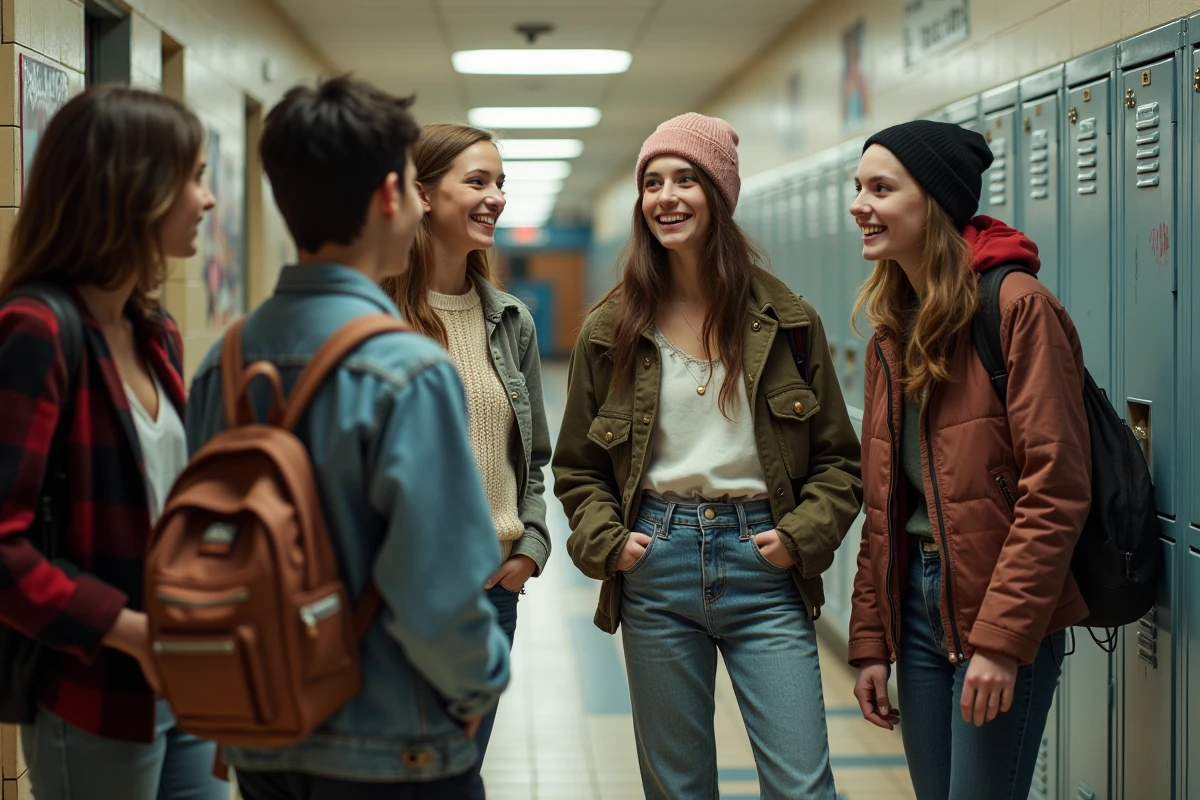
Reinterpreting fashion today: between personal expression and societal issues
Currently, fashion is no longer just a game of silhouettes or ephemeral trends. It questions itself, reassesses, and opens up to unprecedented concerns. Runways and the street become places for a dialogue between self-affirmation and collective demands. Debates on diversity and inclusion now take center stage. The lines around gender blur, giving way to creations freed from conventions. Designers and brands rethink fashion as a space for emancipation, confrontation, discussion, and sometimes rupture.
The question of social impact also arises. The industry must reinvent itself in the face of rising demands for sustainability and ethics. Under the pressure of consumers and an increasingly attentive society, second-hand becomes a norm, traceability is a strong expectation, and transparency is presented as a significant argument. Far from being passive, civil society challenges textile actors, pushing them to transform their practices to maintain their place in the public debate.
Some major evolutions are emerging:
- Slow fashion proposes new models, focused on transparency and respect for the environment.
- Market markers evolve in response to the rise of ethical demands and the increasing diversity of identities.
From a simple reflection, fashion has transformed into a lever for change. It drives economic, social, and cultural transformations, even reshaping each person’s place in the collective space. At the dawn of this new century, fashion is no longer just parading: it is leading the way, as a trailblazer, where society invents new ways of being together.